Small Structures: Big Impact
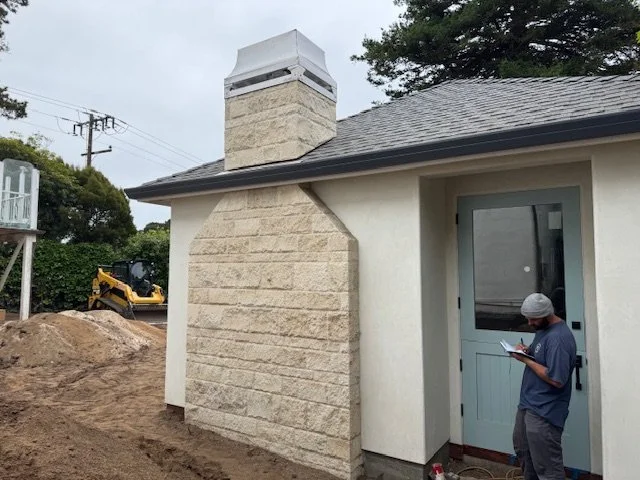
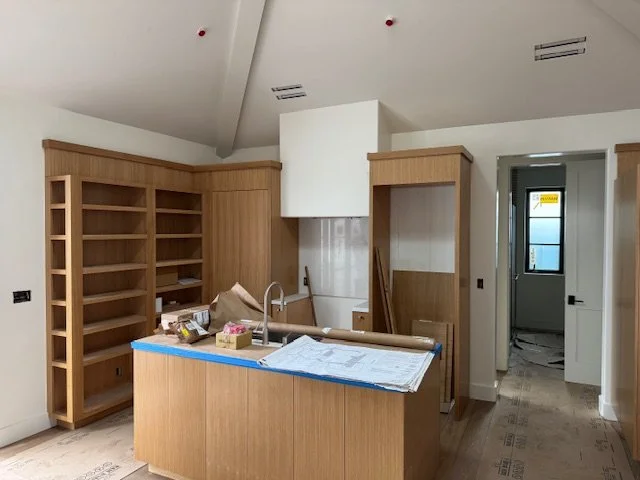
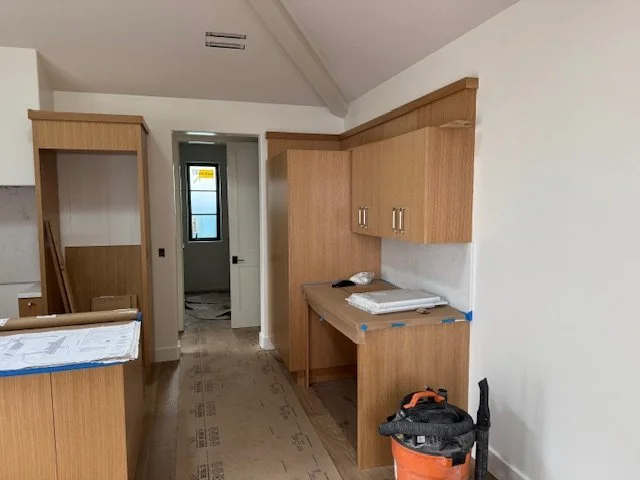
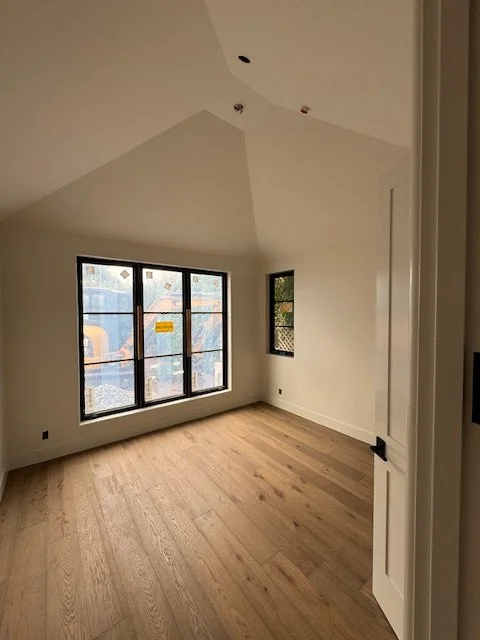
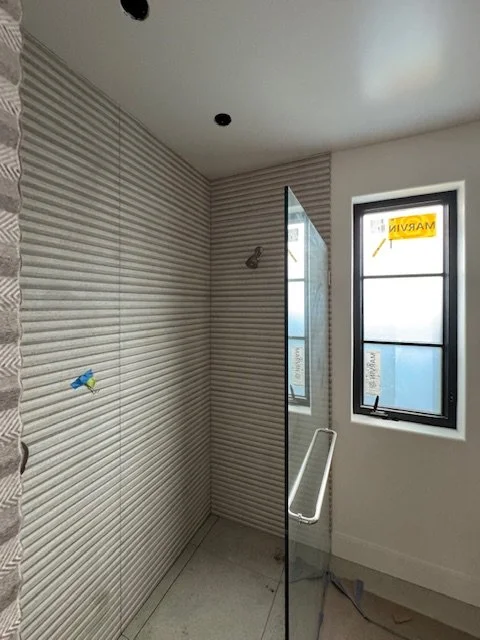
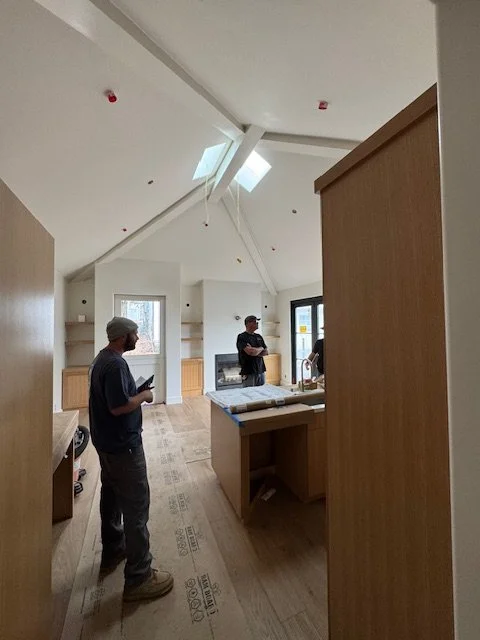
Martin Associates has recently embraced the ADU movement in California, completing secondary residences in Carmel, Monterey and Santa Cruz in the last 3 years.
California’s recent relaxation of accessory dwelling unit (ADU) regulations has quietly rewritten the rules of development—small structures are producing disproportionately large benefits across housing supply, neighborhood vitality, homeowner economics, and design innovation.
Regulatory shifts that matter:
Streamlined approvals: Local jurisdictions must now allow many ADUs ministerially, reducing discretionary reviews and lengthy hearings. Where approvals once took months or required costly studies, many ADUs move forward on a checklist basis, accelerating delivery and lowering soft costs.
Reduced parking requirements: State law has limited or eliminated off-street parking mandates for many ADUs, removing a major barrier to construction—especially in older neighborhoods and transit-accessible locations.
Relaxed owner-occupancy rules: Temporary owner-occupancy requirements have been curtailed or eliminated in many cases, allowing homeowners and investors more flexibility in how ADUs are used and rented.
Expanded size and use allowances: Increased maximum sizes for both attached and detached ADUs, plus clearer allowances for junior ADUs, ADU conversions of existing structures, and interior units, have opened possibilities previously constrained by square-foot limits and zoning ambiguity.
Fewer utility and impact hurdles: Simplified impact fees for smaller ADUs, coupled with streamlined utility connections and less onerous connection charges in some jurisdictions, reduce the per-unit cost burden for accessory units.
How “small” becomes consequential:
Faster, additive housing production: ADUs can be permitted and built more quickly than traditional multifamily projects. Individually modest, they aggregate to meaningful increases in housing stock—particularly in single-family-zoned neighborhoods that historically resisted density.
Economically efficient infill: ADUs reuse existing lots and infrastructure, making them a lower-cost path to new housing. Reduced entitlement time and fees lower the capital required to deliver units, improving feasibility for homeowners and small-scale developers.
Gentle densification and neighborhood stability: ADUs introduce additional households without wholesale neighborhood change. They enable gentle intensification that preserves streetscape character while increasing occupancy and supporting local businesses.
Expanded rental supply and affordability options: Small units create more affordable, naturally occurring rental choices—granny flats, studio units, and junior ADUs—suiting single occupants, couples, and small households who are priced out of larger homes.
Income generation and intergenerational housing: Homeowners can monetize underused lot capacity—supporting retirement income, childcare solutions, or in-law living arrangements—helping families remain in place and share resources.
Environmental advantages: Infill ADUs typically have smaller footprints, shorter commutes when sited near transit, and lower lifecycle energy and material intensity per unit than new greenfield construction.
Design and planning implications
Creative, contextual design: Freed from some regulatory constraints, architects and builders are exploring compact, high-quality living designs—flexible interiors, integrated storage, and sensitive site planning that respects privacy and scale.
Incremental development strategies: Cities and developers can adopt modular, phased approaches—adding ADUs first to meet immediate housing needs while preserving capacity for future investments.
Infrastructure calibration: Utilities and public services adapt to distributed, smaller increases in demand—requiring smarter metering, targeted upgrades, and updated capacity planning rather than large-scale expansion.
Cultural and institutional shifts
Democratization of development: Lower barriers empower individual homeowners, small developers, and community organizations to produce housing, shifting some power away from large-scale builders and permitting more locally rooted solutions.
New financing and delivery models: Lenders, municipalities, and nonprofits are crafting specialized loan products, pre-approved plans, and streamlined permitting programs to match the ADU opportunity.
Policy leverage for equity and resilience: When paired with affordability incentives, renter protections, and targeted outreach, ADU programs can advance equitable housing outcomes and create more resilient, mixed-income neighborhoods.
A quiet revolution with outsized returns The relaxed ADU framework proves that transformative change doesn’t always require sweeping redevelopment or dramatic policy theater. Small, incremental units—permitted and built with less friction—translate into immediate housing supply, durable household income streams, design experimentation, and neighborhood retention. Like confidence that grows through steady action, California’s ADU reforms show how repeated, modest steps add up: each allowed unit, each permitted conversion, each rental created compounds into measurable progress against the state’s housing and community goals.
For cities, designers, and homeowners, the opportunity is clear: start where you are, with what you have. Small-scale interventions—thoughtfully designed and sensitively integrated—can unlock big benefits for residents, the market, and the built environment.